---
title: Literacy Month Hub
description: Use this collection of free Britannica resources, activities, and interactive fun to spark curiosity about Literacy Month.
image: https://pages.britannicaeducation.com/hubfs/_US-Britannica-Education/Literacy-Month-Circle-520-0726.png
---
[Skip to main content](https://pages.britannicaeducation.com/literacy-month#main-content)
[   ](https://britannicaeducation.com)
- [Home](https://britannicaeducation.com/)
- Show submenu for Solutions Solutions  
- [Training](https://britannicaeducation.com/professional-learning/)
- Show submenu for Resources Resources  
- Show submenu for Support Support  

Search
Open main navigation 

- [Home](https://britannicaeducation.com/)
- Show submenu for Solutions Solutions  
- [Training](https://britannicaeducation.com/professional-learning/)
- Show submenu for Resources Resources  
- Show submenu for Support Support  
- Search
- [Demo & Pricing](https://britannicaeducation.com/demo-pricing/)
[Demo & Pricing](https://britannicaeducation.com/demo-pricing/)

Search
# ** Literacy Month **
**Celebrating the Power of Communication**
September is National Literacy Month, a celebration of all things reading and writing. This hub brings together trusted Britannica resources, activities, interactive media, and classroom-ready lesson plans to help educators spark curiosity, foster critical thinking, and highlight the history and importance of literacy and communication.


## **Bringing Early Literacy to Life**
In early elementary classrooms, children are doing two important things at once: learning to read and learning about the world. So, how do we help them absorb information and transform it to knowledge? Our blog showcases how Britannica's new resources do just that in three steps: Read, Play, Connect.
| [](https://pages.britannicaeducation.com/hs/cta/wi/redirect?encryptedPayload=AVxigLJhT6ii1LUYm6bM0tb8kKZ8xrR81KuD0bXpfMOehL%2F9UCk72kTHVQ5iKpZYYoLMCViMqhn7ZEKagRl1vUXISJ2gDaMHoQeCs0tICc9nlJijKsGKlsZ4N7UY4h8RCT49fCDi%2F%2BBYW%2F3GI%2FCMYPYw4kfO3R6hTaQCEBamhKP6JvLAWnr1cEWbli6kah26nY0EwTJamY4rvcwJpYqKLrpxmoITt0dThYVb1nHt9wntPY4JPDS%2Bb1vWQcCP7RB%2BHkd4lCX5vxYXDl85mbg%3D&webInteractiveContentId=220385199033&portalId=20473958&hsLang=en) |  |
| --- | --- |
## Featured Lesson Plans & Activities
While exploring literacy, students can discuss the history of writing systems around the world, the importance of educational systems that cater to learners of all abilities, and the history and importance of communication. The following resources can help facilitate that learning, giving educators ready-to-use tools that spark meaningful discussions, inspire curiosity, and build critical thinkers.

#### Read, Play, Connect Strategies (Grades PreK-2)
Get expert-written strategies to develop specific literacy skills, where students will read an engaging article, play an interactive, and connect their learnings with differentiated handouts.
[](https://pages.britannicaeducation.com/hs/cta/wi/redirect?encryptedPayload=AVxigLKcprGBZBVoxv0mM65vI%2BYlrL12IwMBAp%2FogAtWRAgwt0a%2FwthXiKx4OYVJky1TMsqWpjwtqstn6a%2Bl6RN31ijP%2FxgjSyoZqPVW7AippiZ2RBgxWv1pFf0YSt9RHLj%2BFIdM2zMpx55cZ0R9OTzfeVaSNh%2F8gq18QPG%2BEK1hgf145siQxOIiW%2F3k6%2BwD37LZ1vy44%2BYb0xhm8%2F7FV%2Bd2QDRyX5Q%3D&webInteractiveContentId=217076450136&portalId=20473958&hsLang=en)

#### Messages That Matter: Creating Media with Purpose Lesson Mini (Grades 6–12)
Students explore how media messages are created, shared, and interpreted and reflect on how media influences trust and audience response.
[](https://pages.britannicaeducation.com/hs/cta/wi/redirect?encryptedPayload=AVxigLKxdhWCHQG7DC3Ai4UCklJ4myeqzUY6sWezUBpJZ5gTXDBCTTx76AwVzuY%2Bf5%2FDnjBtA9%2Bwhgs80%2FjSzXIlQeZrpAsJ4IHf2bT6xx7cJ1pe7l8i73Vf9wsGItZgEJ0WrsQ0i%2Brr%2FBx8Cnrf3kZIOfQz3iKqMp5lvS1zWudl5FxxUEpJ5kftW0OkDYarZY8l4kZcrplZroS1jUC89mvR9daGvxEmP2C2b47jR4HOiyXGMeBhDSq3hIHnQ45tYDVPdb8eXRY%3D&webInteractiveContentId=217076790361&portalId=20473958&hsLang=en)

#### Presenting Information Lesson Mini (Grades 3–5)
Students learn to deliver engaging oral presentations, focusing on audience engagement and confident delivery.
[](https://pages.britannicaeducation.com/hs/cta/wi/redirect?encryptedPayload=AVxigLIgVOix6YF%2FtEG2OP0zZwa7osAMLjYWqQDJofiJyh%2BsEP3xsOEJhen8%2BGXt8x000MQ0hfSJoDG30AOdsxIAYbIHFOv4T3Akp0A29Lb8jgNP0xxH70%2Bfh66wC4WH%2BT0qutM%2B3oX8dxoL4z1Esx%2FE2q%2Fab1JDXujBlHrAtAuULcMJeSCXnrSE02X%2BtwOvpTGCNQsEIDZcELwii6cNiIW1a%2FjdcDA%3D&webInteractiveContentId=217076790368&portalId=20473958&hsLang=en)

#### Annotating Text Strategy (Grades 3-12)
Reinforce active reading and comprehension—key components of literacy growth.
[](https://pages.britannicaeducation.com/hs/cta/wi/redirect?encryptedPayload=AVxigLIAw8coBdXQLHieJBZiuNNeZDCKdYO6NW3oe2RoQLuN0JL0PX8XsqqAv%2Fu1V2JzDk0pldVpYUfDhZss%2FF43LshxgTp8%2BryC1SuvCjHAz4diUoHkQ8Z9wMbgBkH%2BY9dMatauNzYLySVPGgXUWDnMgAj0irpB8TsGwt8ncVkZ8%2FCC9eDfolSmNuEZI6BjYNQe9lrHactVjqmbUoAJKy32R1nPkAt0WuM%3D&webInteractiveContentId=217076790377&portalId=20473958&hsLang=en)

#### Visual Note-Taking Strategy (Grades 3-12)
Combine art and literacy by representing ideas through imagery and key words.
[](https://pages.britannicaeducation.com/hs/cta/wi/redirect?encryptedPayload=AVxigLKboOXFAq6PWCOv81ZtGdCWKWEgrzi%2F4KgpI2%2FQGWsWiGPrX9fg6e6Q7D3yfHNVi6ifBnRH7%2B8%2BCKOlr1gopGwKy9%2Bdbig6ljHYidsOd3WmAYy1MYIZhJVcQu8f%2FnLrLxaRYXcOBEMS0bYZmiOxBxZN0J1fX0wuHyaiMYvRUQfAQpTA%2FUP6sE79hd8B0wt2VuGAVsWmZzfrYNqckg0nKZZ7ai5OxPLCXVk%3D&webInteractiveContentId=217076790387&portalId=20473958&hsLang=en)

#### Make It Stick! Strategy (Grades 3-12)
Reinforce vocabulary and comprehension through review strategies that promote long-term retention.
[](https://pages.britannicaeducation.com/hs/cta/wi/redirect?encryptedPayload=AVxigLIMlnharTsj2Fm20gyhyDCY2QxClrv3OHqrLxItQNxWz%2BJLBtrDd%2FAxrDQCqt6PdqG8NmQhFR9U9OKvu%2BhEngw0mms2XgHc%2BJL7O%2F35Jd56%2FinIT9Jp2z7jjN4LxS6SXtp4zeyu%2FvXNgffEH9C7Q1BYTSUOmmc5bY%2FD1OqfBxRNZFxGc2%2FL%2FZqU5cfmLSb4s3FJ%2BQZcuqhMWoeXYf4ZJTm4h0ws&webInteractiveContentId=217076450157&portalId=20473958&hsLang=en)

## Spotlight Resources
Looking for ready-to-use tools to spark student discussion? These curated In the News articles make it fun to highlight the power of stories and written language.
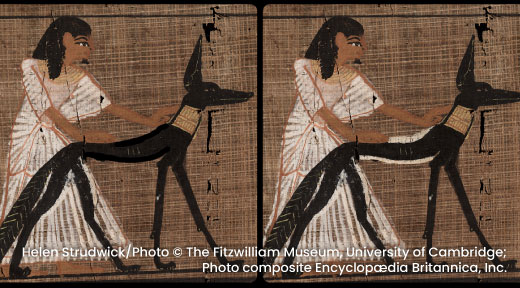
#### Fixing Mistakes in Ancient Egypt
Have you ever used white-out correction fluid to fix a written mistake? It turns out that ancient Egyptians did, too!
[](https://pages.britannicaeducation.com/hs/cta/wi/redirect?encryptedPayload=AVxigLLc%2F6jxFFwJ%2FQpqJIVC7cDNF7hdvbRx9KnH3sxscz9FYcnAbwhatJXVAFJ4authjeGi6oTVu%2FcH7zhtmhYEi2OoGbjxTcpjpCMt4VQuMXWK9AryhRwm%2FSrnJ%2BDXoGFAT0fDl8sSZheVR25nTWqYdvSbcaHfwqDgNdz07NKpgq4e3jhgctuOglNensb7Jq7E1EsZ7Sbabzr4FAON2R363g%3D%3D&webInteractiveContentId=217076790554&portalId=20473958&hsLang=en)

#### A Friend to All Books
Author Mac Barnett was named the 2025–2026 National Ambassador for Young People’s Literature.
[](https://pages.britannicaeducation.com/hs/cta/wi/redirect?encryptedPayload=AVxigLLyWboVX4%2BiVDKnI1d0wriXXp0MbsGv737sELjDRXqRcr10iuxtyZ1Go8CM2%2BCt6JQRIrD7xKpCBK%2BDgE5YGUBtD0twm87s8KUE9SD0dZDQKU5gJwChK5zLtk6h%2FdHRBsRXkh4NJN7882rVtHYOVfogLfAp7zVOqyy7%2FGsPHeO4hQ5b9W4lw1XyyyKy1CuwBiYPKq8%3D&webInteractiveContentId=217076450221&portalId=20473958&hsLang=en)
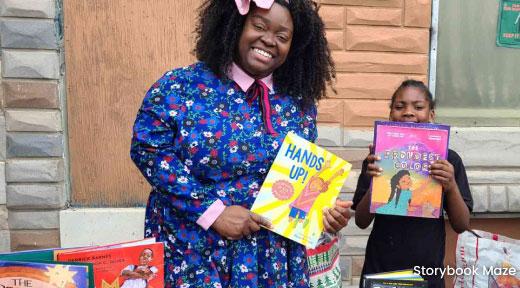
#### The Story Lady
A librarian named Storybook Maze wants to make sure more kids have books to read.
[](https://pages.britannicaeducation.com/hs/cta/wi/redirect?encryptedPayload=AVxigLI0sR2rErdtm3MR4B7RbifF8Bu1WX2TyiPP3XCxMp6uL6Pqgx1F0%2BgQ27kz0wCpZVJHEbhhz7f0NeWq0Iqe59qNHWvOpTTrHsoU5s5F6MnIK%2FwF%2FioxCtA7qQ%2BGhEISr5htrvleHgai6L0CqNt3F7bcFCwUC%2Bn0oinKV0GE2qYM6ZTMHkm3CwUp5ZVN3w%3D%3D&webInteractiveContentId=217076790562&portalId=20473958&hsLang=en)
## Video: Bill McKibben Talks Climate Change
Environmentalist, journalist, and *New York Times* bestselling author Bill McKibben discusses the problem of climate change and what we can do about it.
## Media Literacy Resources
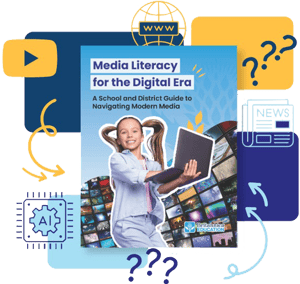
Looking for more about digital and media literacy? Check out our e-book and more.
[](https://pages.britannicaeducation.com/hs/cta/wi/redirect?encryptedPayload=AVxigLIGaI3LhlyRpjObtWKSl87TjrAzFJeNqMdn4eQebRdAvvBeEY4%2BcD0U%2FVoElXm64XjC1o1do1MDlsuL57W1%2FA3TCDK1rtr%2FdiFmFlDi3LNrD%2F6UBEZbJp124J3qmDUEpV6av%2BTUfbjODfLw0kJo3FmWka6H4GtUFfAxsjizv4Xisy%2BOktu5euzNkzoD06B6kJc%3D&webInteractiveContentId=217076450233&portalId=20473958&hsLang=en)

## Join Our Newsletter
From tips and tricks to engaging activities, find attention-grabbing content for tormorrow’s lesson.
[](https://pages.britannicaeducation.com/hs/cta/wi/redirect?encryptedPayload=AVxigLIbrukVReeG8iMuIqt4f59QS9Kfc9ibCit43a%2BOpDpR%2BNgAj2mYApcj7w2631pRAXRF9xeHtkVG5FLsFteGYFAOrC6YXrf%2F1o95zRUJumz0zFd5mD2uDZMdu1vz2M7ZnlQHyAiUt%2BpCtaulPLwQ8GRqYtT4NsgjJH8Zwxqm4DJwaPvOC0HMTUw%2Fok48ALSH5e5yvA9Xn2w9CtAQzUDFDbU%3D&webInteractiveContentId=205822342753&portalId=20473958&hsLang=en)

[Phone: (800)-621-3900](tel:800-621-3900) [Email: contact@eb.com](mailto:contact@eb.com)
[Contact Us](https://britannicaeducation.com/contact/)
- About
- [Home](https://britannicaeducation.com/)
- [About Us](https://britannicaeducation.com/about-us)
-
-
-
-
-
[Terms of Use](https://corporate.britannica.com/termsofuse.html?__hstc=266778257.ac27308390fb3cfb36e54b812ce80a6e.1766574142998.1766574142998.1766579636849.2&__hssc=266778257.5.1766579636849&__hsfp=212998733) [Privacy Policy](https://corporate.britannica.com/privacy.html?__hstc=266778257.ac27308390fb3cfb36e54b812ce80a6e.1766574142998.1766574142998.1766579636849.2&__hssc=266778257.5.1766579636849&__hsfp=212998733)
[© 2026 Encyclopædia Britannica, Inc](https://corporate.britannica.com/?__hstc=266778257.ac27308390fb3cfb36e54b812ce80a6e.1766574142998.1766574142998.1766579636849.2&__hssc=266778257.5.1766579636849&__hsfp=212998733)